
-
×
 Oppo Reno 4 Screen Replacement
1 × KSh 17,000.00
Oppo Reno 4 Screen Replacement
1 × KSh 17,000.00
Subtotal: KSh 17,000.00
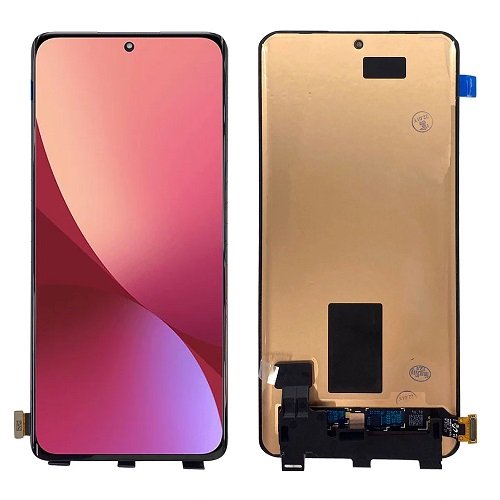
The Xiaomi Redmi 13 5G is a popular smartphone known for its features, performance, and affordability. However, like any electronic device, it is not immune to damage, particularly the screen. Awareness of the potential for screen damage is essential for any Xiaomi Redmi 13 5G user. Accidents can happen, and screens may crack or shatter due to drops, pressure, or impact. Additionally, issues such as display malfunction, water damage, or fading can prompt users to consider a screen replacement. Understanding the circumstances that often lead to screen damage can help users be more cautious and proactive in their smartphone care.
Common reasons for needing a screen replacement include accidental drops, which can lead to visible damage or disrupted display functions. Furthermore, exposure to liquids, such as spilling drinks, poses a significant risk. Environmental factors, such as extreme temperatures and humidity, can also impact the integrity of the screen. Knowing these potential risks can aid users in taking preventative measures, thereby prolonging the lifespan of their device.
Understanding the screen replacement process is beneficial, as it empowers users with knowledge about what to expect. Whether choosing to tackle the replacement independently or seeking professional assistance, being informed boosts user confidence and ensures the right decisions are made throughout the repair journey. This blog post will serve as a comprehensive guide that discusses everything from diagnostic checks to the actual replacement steps, providing valuable insights for users facing screen issues with their Xiaomi Redmi 13 5G. By being well-informed, users can mitigate the impact of screen damage and ensure that their smartphone remains a reliable and functional device.
Identifying the need for a screen replacement for your Xiaomi Redmi 13 5G is crucial to maintain the device’s functionality and user experience. Several signs can indicate that the screen may be failing or has sustained damage. One of the most obvious indicators is the presence of cracks or chips on the display. These not only affect the aesthetics but can also lead to further damage if not addressed promptly. A user might notice hairline cracks spreading from the corner of the screen, which often compromises its integrity.
Another significant sign is the touch responsiveness of the screen. If the device exhibits unresponsive areas or complete touch failure, it may be time for a replacement. This can manifest as an inability to open apps or select options, impeding regular usage. Users have reported scenarios where their Xiaomi Redmi 13 5G became nearly unusable due to these touch issues, prompting an urgent need for screen repair.
Discoloration in certain areas of the display can also signal deterioration. Users may observe patches of color distortion or uneven brightness, which hinders the visual experience. Additionally, the emergence of dead pixels—small dots on the screen that remain black or stuck in one color—can be a more subtle but clear indication that replacement is necessary. Although some users might tolerate a few dead pixels, excessive numbers can significantly detract from viewing quality.
Overall display malfunction, including flickering screens, ghost touches, or complete blackouts, are severe problems that typically warrant immediate attention. Real-life accounts of Xiaomi Redmi 13 5G users experiencing such symptoms illustrate the importance of recognizing these signs early on. Addressing these issues with a timely screen replacement can restore the device’s functionality and enhance user satisfaction.
Replacing the screen on a Xiaomi Redmi 13 5G can be a significant expense, and understanding the factors affecting the overall cost is important for informed decision-making. The cost of screen replacement primarily hinges on the choice of service provider, the price of replacement parts, and labor charges. When considering repair options, users typically have two main routes: authorized service centers and third-party repair shops.
Authorized service centers are the official repair outlets designated by Xiaomi. They provide OEM (Original Equipment Manufacturer) parts, ensuring that the replacement screen meets the original specifications for quality and performance. However, the trade-off is that authorized centers often charge a premium for their services. For a full replacement at an authorized center, prices could range from $150 to $300, depending on additional factors like warranty claims or specific service promotions.
On the other hand, third-party repair shops usually offer more competitive pricing, often ranging from $70 to $150 for the same screen replacement. These shops might use aftermarket parts, which can lower costs but might not guarantee the same level of quality as OEM components. It’s essential for users to research and choose a reputable third-party repair shop to ensure they receive a reliable service without sacrificing quality.
Another significant aspect influencing the overall cost is the labor charge. Labor rates can vary widely based on geographic location, with urban centers generally charging more due to higher overhead costs. A typical labor charge for screen replacement can range from $30 to $100, depending on various factors. Therefore, it is advisable to compare both the parts and labor costs from multiple service providers to find the most cost-effective solution while ensuring quality repairs for the Xiaomi Redmi 13 5G. By understanding these elements, users can make well-informed choices regarding their device’s screen replacement needs.
When faced with a damaged Xiaomi Redmi 13 5G screen, users often contemplate their options for repair, primarily choosing between a DIY approach or enlisting the services of a professional technician. Each option offers distinct advantages and disadvantages that can significantly impact the overall experience and outcome.
One of the most appealing aspects of DIY screen replacement is cost-effectiveness. Carrying out the replacement independently can save on labor costs that professionals typically charge. Additionally, numerous online resources provide tutorials and guides, further streamlining the DIY process. However, this method requires a certain level of technical skill, as even minor errors can lead to hardware damage. Furthermore, sourcing quality replacement parts can be challenging, and using subpar components may affect device functionality.
On the other hand, opting for professional screen replacement tends to ensure a higher quality repair. Experienced technicians possess the skill and tools necessary to complete the job efficiently, often resulting in a faster turnaround time. Furthermore, professional services frequently offer warranties on their work, providing peace of mind regarding the repair’s durability. The downside, however, is the higher cost associated with professional services, which can be a budgetary concern for some users.
Time commitment also varies significantly between the two approaches. DIY replacements might require extensive research, preparation, and execution time, particularly for those unfamiliar with the process. In contrast, professional repairs usually take less time, as many repair centers can complete the job in a matter of hours, allowing the user to resume normal use of their Xiaomi Redmi 13 5G sooner.
Ultimately, weighing these pros and cons will aid individuals in determining the most suitable course of action for their screen replacement needs.
Before proceeding with the screen replacement of your Xiaomi Redmi 13 5G, it is imperative to ensure that all personal data is securely backed up. This preventive measure can protect you from potential data loss that may occur during the repair process. Backing up your data can be done using various built-in options or third-party applications, which are designed to safeguard your information efficiently.
To commence the backup process, you may start with the built-in options available on your Xiaomi device. First, access the Settings app and navigate to the Mi Account section. Sign in if you haven’t yet, and enable the Sync option. This feature automatically backs up contacts, messages, and notes to your Mi Cloud. Additionally, you can select Backup & reset in the Settings, allowing you to create a full system backup, including app data and device settings.
Another effective method to ensure data safety is to use Google Drive. Open the Settings and select System, followed by Backup. Enable the Back up to Google Drive option, which will routinely save your files, ensuring that you have access to them even if the screen replacement disrupts your device’s functioning.
If you prefer a more comprehensive backup solution, several third-party applications are available, such as Titanium Backup or Helium, which enable full backups of apps and their data. These apps often provide additional functionalities like selective backups, giving you more control over the content you wish to preserve.
Despite these precautions, data loss can still occur due to unforeseen circumstances. Thus, it is advisable to regularly back up your data regardless of the condition of your device. Taking these steps will ensure that you can restore your information seamlessly, creating a buffer against potential disruptions caused by screen replacement.
Replacing the screen of your Xiaomi Redmi 13 5G can be a cost-effective way to restore its functionality. This guide walks you through the process of replacing the screen yourself, ensuring that you have the necessary tools and follow safety precautions.
Before you begin, ensure you have the following tools and materials at hand: a small Phillips screwdriver, plastic opening tools, tweezers, a suction cup, and a replacement screen specifically designed for the Xiaomi Redmi 13 5G. Additionally, a heat gun or hairdryer may be needed to soften the adhesive securing the screen, making removal easier. Furthermore, consider using an anti-static wrist strap to prevent electrostatic discharge that could damage internal components.
Start by turning off your device and removing the SIM card tray. Use the heat gun on a low setting to gently warm the edges of the screen for about 30 seconds. This step will help loosen the adhesive, making it easier to lift the screen. Once heated, apply the suction cup near the edge of the screen and pull gently while using a plastic opening tool to pry the screen away from the frame. Be cautious to avoid damaging internal components during this process.
After detaching the screen, disconnect the flex cables carefully using tweezers. Take note of the orientation of the connectors for reassembly. Next, prepare your new screen by aligning its connectors and securing them in place. Gently press the new screen onto the frame, ensuring that it fits snugly. Finally, run your fingers along the edges to ensure that the adhesive seals properly. Allow the adhesive to set according to the manufacturer’s recommendations.
By following these steps methodically, you can successfully replace your Xiaomi Redmi 13 5G screen, restoring the device to its optimal condition.
When it comes to replacing the screen of your Xiaomi Redmi 13 5G, locating quality replacement screens is paramount to ensure optimal performance and durability. A variety of sources offer replacement screens, including official retailers, third-party vendors, and online marketplaces. The first step in your search is to prioritize authenticity; purchasing from authorized Xiaomi service centers or their official online store guarantees that you receive genuine components, thus avoiding the pitfalls of counterfeit products that can compromise your device’s functionality.
Online platforms such as Amazon and eBay offer a wide range of replacement screens, but it is crucial to conduct thorough research before purchasing. Look for sellers with a solid reputation and positive customer feedback. Read reviews carefully; they often highlight the quality of the product and the reliability of the seller. It is advisable to seek sellers who offer a warranty on their replacement screens, as this indicates confidence in their product’s quality.
In addition to online options, visiting dedicated electronics repair shops or local phone repair stores can also be effective. Engaging face-to-face with sellers allows you to evaluate the replacement screen physically and ask questions regarding the warranty and installation process. Observe the shop’s environment; reputable establishments often display quality components prominently, and staff members should be knowledgeable about the products they sell.
Another key factor to consider is the price point of the Xiaomi Redmi 13 5G screen replacement. While lower prices may be attractive, they often signify subpar components. Aim for reasonable prices that reflect the quality you expect from original or high-quality aftermarket screens. By carefully vetting your options, you can ensure the longevity and performance of your device through quality replacements.
After completing a screen replacement for your Xiaomi Redmi 13 5G, it is essential to understand what to expect as the new screen integrates into your device’s ecosystem. Initially, the performance of the screen may seem uneven, with possible discrepancies in touch sensitivity and image quality. These issues typically resolve within a short period as the screen settles into operation. However, if these problems persist, seeking professional assistance is advisable to ensure a proper fit and functionality.
Upon replacing the screen, conduct a thorough test of its features to guarantee every aspect functions correctly. Start by assessing the touch response. Open applications and navigate through pages to check for any lag or unresponsive areas. The display should accurately reflect colors and brightness levels. It is also critical to test the display at various angles to identify any issues with viewing angles, which can sometimes be overlooked during initial use.
To help maintain the integrity of your new screen, adhere to best care practices. Avoid placing your device in environments with extreme temperatures, as this can adversely affect performance. Utilizing a high-quality screen protector can safeguard against scratches and minor impacts, ensuring the longevity of the display. Furthermore, consider using a case designed for your Xiaomi Redmi 13 5G to offer additional protection against drops and accidental damage.
Moreover, keeping the device clean is paramount. Regularly wipe the screen with a microfiber cloth to remove fingerprints and smudges, which can hinder touch responsiveness. If any irregularities or unexpected behaviors arise, consult with a professional technician promptly to prevent further complications. Adopting these practices will help you fully enjoy your Xiaomi Redmi 13 5G’s new screen while ensuring its optimal performance.
When it comes to maintaining the functionality of your Xiaomi Redmi 13 5G, screen replacement emerges as a critical factor that merits serious consideration. As discussed throughout this blog post, the screen is not only vital for usability but also serves as the primary interface for interaction with the device. Damage to this component can significantly diminish one’s experience and may impair various functionalities of the smartphone.
In evaluating the worth of a screen replacement, it is essential to weigh the costs associated with the repair against the implications of continued use with a damaged screen. DIY repairs could seem appealing, particularly for budget-conscious individuals. However, one must possess the necessary skills and tools to ensure a high-quality outcome. A failure in execution could result in further damages, which would ultimately lead to higher repair costs or even the need for a replacement phone altogether. Thus, professional assistance often stands out as the most reliable option, albeit typically at a higher expense.
Investing in high-quality components for a Xiaomi Redmi 13 5G not only ensures longevity but also enhances overall performance. A genuine screen replacement supports the integrity of the device, thereby helping to maintain its resale value and ensuring optimal functionality for day-to-day tasks. While the decision to undertake a screen replacement is ultimately subjective, the advantages of restoring your device to its full working capacity are indisputable.
To summarize, by considering the potential challenges of DIY repairs, the value of professional service, and the significance of quality components, one can make an informed decision about whether screen replacement is a worthwhile investment for their Xiaomi Redmi 13 5G. This ensures the device continues to serve effectively for years to come.
Select at least 2 products
to compare


There are no reviews yet.